Canker sores have a wide array of contributors which are often mistaken for causes. But eating lemons is not a surefire path to a canker sore. As we will explore, canker sores are increasingly understood as a T-cell-mediated inflammatory response in the oral mucosa, meaning that your immune system is overreacting to normal stimuli. This shows up strongly in behçet’s disease, celiac disease, and inflammatory bowel disease – but of course, you do not need to have one of these to get a canker sore!
Research also shows links between canker sores and oral streptococcus sanguinis overgrowth, reduced microbial diversity, and fungal involvement – especially in stubborn cases. In most cases, however, improving lymphatic drainage, addressing pH imbalance, and addressing nutritional deficiencies will cause canker sores to rapidly heal. Let us now explore all of this together.
What is a canker sore?
A canker sore is a small ulcer in your mouth. An “ulcer” just being a fancy term for a breakage of your skin. Sores inside your mouth feel different than sores outside your mouth – and you can’t use a bandage to protect them. Canker sores (or “aphthous ulcers”) can also be thought of as “shallow lesions” that develop on the inside of your cheeks, tongues and/or on your gums. Unlike cold sores, canker sores don’t occur on the surface of your lips and they aren’t contagious.
What causes canker sores?
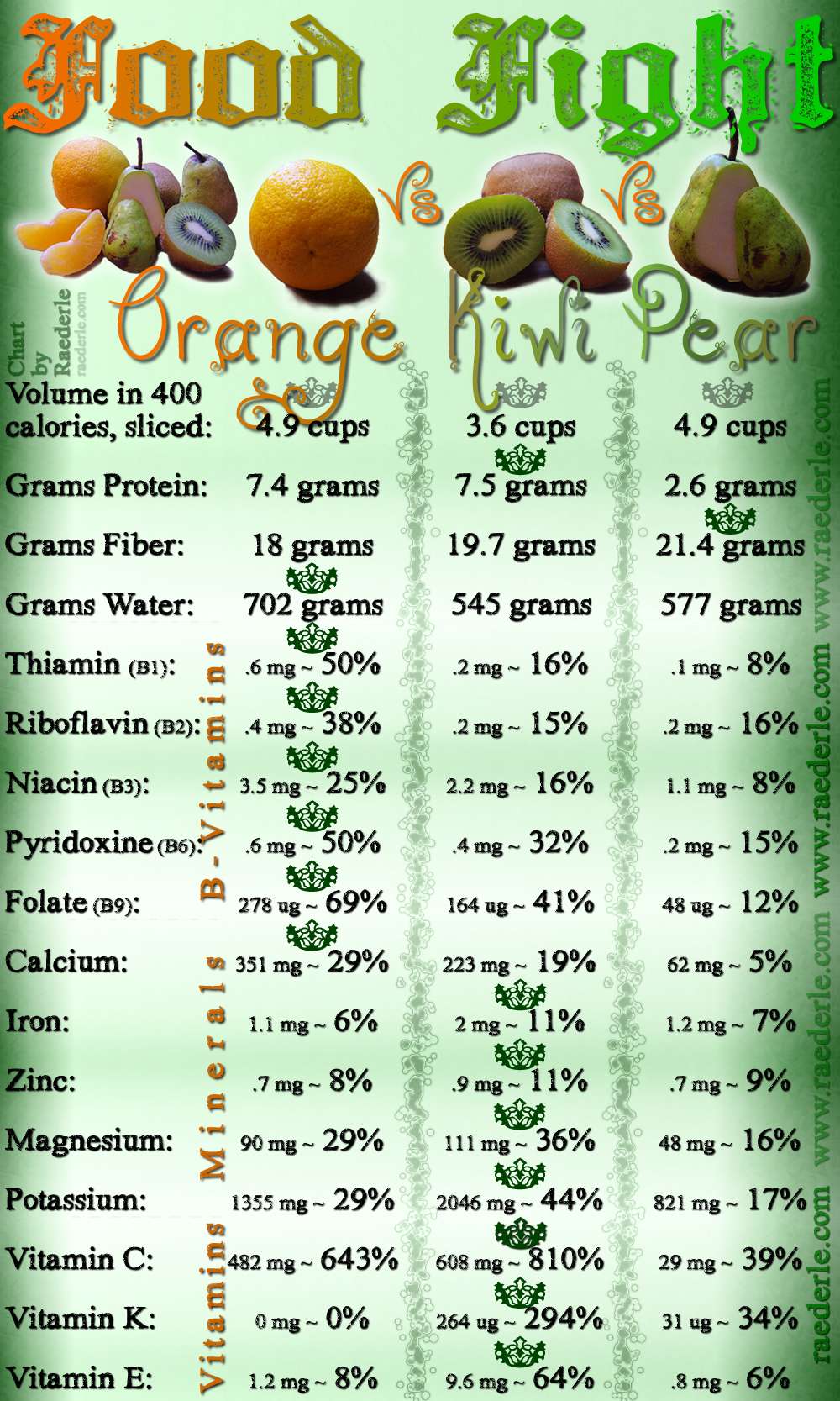
Not everyone gets canker sores from drinking orange juice – because acidic foods are not the root cause. Historically, most research around canker sores focused on creating topical treatments and drugs to cure them – not on what causes them. Now, however, we have some more information on the cascade of events which leads to these painful, pesky oral sores. It is important to note that something can contribute to a canker sore forming without causing irritation at the time.
Canker Sore Causes:
- Immune activation (from gluten, dairy, cacao, benzoates, nuts, and/or sulfites).
- Injury within the mouth, such as biting one’s cheek or tongue (although this will often heal very quickly unless one or more of the other items on this list are at play!).
- Sodium Lauryl Sulfate, a common toothpaste ingredient, has been shown in studies to thin the mucosal barrier and increase ulcer frequency and severity.
- L-lysine deficiency.
- L-glutamine deficiency.
- Vitamin deficiencies, particularly B12 (cobalamin) and B9 (folate/folic acid), and zinc.
- Sensitivity or allergy to cinnamaldehyde which is found in cinnamon and cinnamon essential oil.
- Emotional trauma related to verbalizing, speaking, being creative, or being authentic.
Canker Sores Irritators:
- Excessive consumption of acidic or spicy foods such as vinegar, hot peppers, ascorbic acid (synthetic vitamin C), and citrus.
- Excessive consumption of foods with enzymes that break down the lining of the mouth, namely kiwis and pineapples.
- Consumption of refined sugars, particularly in large quantities or when combined with acidic foods.
- Overload of stagnant lymph fluid stored in your cheeks and gums – often caused by toxic diet combined with a sedentary lifestyle.
- Dehydration from any combination of breathing dry air, not drinking enough water, and/or eating dehydrating foods such as nuts, cheese, certain fried foods (French fries, etc), meats, and excessively salty food (especially pure sodium-chloride).
- Stress and the hormonal imbalances that accompany stress.
- Low progesterone and high prostaglandins – as is often the case right before menstruation.
- Oral pH imbalance caused through diet or stress.
- Autoimmune disorders.
Canker sores generally don’t require treatment – they’ll heal on their own . . . eventually. Meanwhile, they’re painful. But more than that, they indicate something isn’t right. If your body is mysteriously breaking out in open lesions, something is out of balance!
While you have a canker sore you want to abstain from exacerbating foods
such as oranges to some extent, and certainly from pineapples, but know
that these are likely not the root cause unless they are specifically
an inflammatory trigger for you. If you have mast cell activation
syndrome (MCAS), then certain foods high in histamine can trigger a wide
variety of inflammatory symptoms – including canker sores.
Preventing Canker sores
If you are reading this page, you are probably unsure why you get canker sores. Any symptom (from running nose to aching feet) can come from myriad sources, and canker sores are no exception. For this reason, you will likely want to employ many of the strategies on this page. Some of them may only work when synergistically combined with others.
Furthermore, emotional patterns create physical patterns. As most recently summarized in the masterpiece book, The Myth of Normal, our physical diseases manifest from our unresolved negative experiences. While this idea still feels radical to many people today, it is increasingly scientifically verified. However, this does not mean that going to talk therapy is going to heal your canker sores. What it does mean is that addressing a symptom in one way often leads to another symptom arising in a similar way, or even the same symptom returning even though you continue to use solutions which did work for years.
With my clients, I have found that approaching a symptom from multiple angles actually begins to address unmet emotional needs. We can speculate as to why this is, but one simple explanation is that using a wide array of healing, nourishing modalities in your life is self-loving.
If you would like to be more proactive about healing emotionally and connecting with your subconscious, consider looking into the wide array of consciousness alchemy practices.
Hydration
Stay hydrated! And not just in your mouth. Signs of dehydration include: dry skin, constipation, canker sores (heh), fatigue, irritated eyes, bleeding sinuses, and headaches.
Drink at least a quart of water every twelve hours. Tea and coffee are not hydrating. Be sure you are actually drinking water.
If your lips, mouth, hands, or eyes are getting dry overnight, use a humidifier.
Address Constipation
If you struggle with recurring constipation, I urge to you find solutions that work and incorporate them into your daily lifestyle. If you don’t poop on a single day, that’s constipation. A tremendous amount of conditions go back to bowel dysfunction – because if you are unable to eliminate toxins and absorb nutrients effectively, there will be spillover affects in every organ of your body.
Chronic constipation is more common than you likely realize. Daily poops are not actually proof that you are not constipated, as material can still be stuck in your colon and upper intestines whilst still allowing some material to pass through. Furthermore, diarrhea can be thought of as a subset of constipation, as this also generally involves some material being stuck while a watery slurry passes on through. This is common with small intestinal bacterial overgrowth (SIBO), and hypermobility disorders such as Ehler's Danlos (EDS), and hypermobility spectrum disorder (HSD) – the latter of which being a condition which has caused me constipation struggles since birth.
Improving colon transit is very individual. I have devised numerous different protocols over the years for a wide variety of clients. In some cases, increasing soluble fiber is enough: hydrated chia and flaxseeds. Lettuce and leafy greens in general tend to help as these are not only rich in fiber and water, but also alkaline minerals. Taking magnesium citrate daily can be used as a colon stimulant. For years, I took magnesium citrate in kombucha or sparkling water and called it my daily “mag-fizz”.
If increasing magnesium is insufficient and/or fiber is not practical due to your particular digestive complaints, there we turn to high vitamin-C foods like bell peppers, kiwis, or vitamin C supplementation (from whole foods). Fruit, in general, helps many people stay regular: blueberries, bananas, and apples. If these do not work or are not optimal for your body, then Ayruvedic herbs can be utilized.
Remember that this is all very individual. In my case, bananas do help me poop, but they are a canker sore trigger for me (likely due to causing an immune response)! Depending on which flora are imbalanced in your gut, prebiotic foods may be triggers in general. Side effects from bananas may be bloating or skin irritation. Plantains can be a powerful motility regulator, but for some people, these prebiotic foods can lead to inflammatory joint pain. Prunes (dried plums) are a common remedy for constipation, but these are very sweet and they can cause gas. If a food is giving you gas which is painful, especially foul-smelling, and especially abundant, then that food is making things worse rather than better and should be either omitted or reduced.
In addition to food, it is also worth looking at the emotional causes perpetuating any health condition. You can learn more about the emotional causes of constipation in this article.
Maintaining Oral pH Balance
Since a thorough solution means keeping the pH balance in your mouth at a healthy 7 to 7.2, you’ll want to pay special attention to keeping your stress levels down. It’s been scientifically proven that negative moods lower the pH of the saliva. If your saliva’s pH gets below 5.5 you begin to lose minerals from your teeth, and this has also been associated with the generation of canker sores.
You can compensate for this by rinsing your mouth with an easy solution of water and baking soda. Just drop a pinch of baking soda in quarter-pint of water and then swish the solution in your mouth. If you do this every time you feel stressed and after meals, you’ve solved the pH problem in your mouth. Unfortunately, this doesn’t compensate for all the other devastating impacts of eating a demineralizing and demoralizing diet. While a rinse with baking soda is a great measure against acute problems (like removing bile from your mouth after vomiting), it isn’t something you should have to rely on multiple times each day. Also, if acidic saliva or tooth decay is a concern for you, you may be interested in: Raederle’s Teeth Remineralizing Master Class.
Maintain Levels of B12
Take a sub-lingual B12 once per week. (I used to be opposed to supplements, but I changed my mind over time. To understand why read this other article of mine.)
Consume L-Glutamine
Consume foods rich in l-glutamine at least once every other day, such as red cabbage, spirulina, asparagus, and parsley.
Consume L-Lysine
Consume foods rich in l-lysine at least once every other day, such as spirulina, parsley, spinach, leeks, horseradish, onions, and radishes. I found that I was not able to get enough lysine through food alone and began supplementing with it daily in 2022. This has resulted in myriad benefits, including being able to eat cinnamon in moderation without a canker sore immediately forming.
If you want a whole food source, I recommend ordering organic spirulina tablets right away; these are a fantastic source of l-lysine and other amino acids which help you rapidly repair your skin – including internal skin on the inside of your mouth, your stomach lining, and your intestinal lining. When I was introduced to spirulina tablets it felt like a miracle. I had tried incorporating spirulina powder into my diet, but the strong flavor only paired well in limited contexts and thus, I didn’t consume it regularly. Having the tablets on hand made it easy to take them daily and to up my intake if a canker sore started to develop.
Prior to 2018 (when I was introduced to spirulina tablets), I had tried “everything.” I had tried increasing my vegetable intake. I tried taking out all the fruits that were “causing” me canker sores (oranges, tomatoes, kiwis, pineapples, raspberries, etc). I tried eliminating everything tart and sweet and yet I would still would get canker sores whenever I was even a little stressed or a little dehydrated. In other words, any time I traveled or had a busy day! Ugh.
In 2018 I learned that spirulina is a concentrated source of l-glutamine, the most critical amino acid for repairing ulcers in the mouth and stomach. Cabbage is also a high source which is one of the reasons that raw, fresh cabbage juice on an empty stomach is a long-standing cure for stomach ulcers. Spirulina, however, is also a good source of a wide variety of trace minerals and co-factors for l-glutamine, and much easier to keep “on hand” than cabbage. In the past I’ve sneaked spirulina powder into desserts since it seemed to clash flavors with everything savory. I found I could sneak it into raw banana ice cream and similar recipes. However, daily consumption never stuck because I couldn’t find a way to consume the powder in enough recipes. Then, I discovered organic spirulina tablets. For years I was able to keep the continual recurring canker sores at bay with just four spirulina tablets a day. Spirulina gives me more energy and improves my digestion to.
Spirulina may not be all it takes for you to get rid of a chronic canker sore problem, so I suggest employing other strategies as well, like taking any refined sweeteners out of your diet. Refined sugar products (cane sugar, brown sugar, molasses, etc) rob your body of minerals, hurt your pancreas, imbalance your hormones, and ultimately cause you to age far more rapidly. When you can use fresh or dried fruits to sweeten foods just as well, there really is no excuse for including refined sugars in your diet. They’re an addiction, and science has proven them to be more addictive than heroin!
Avoid Chewing on Yourself
Break any habits of chewing on your lips or cheeks. Use self-hypnosis if
you have this habit. Repeat this to yourself several times each day:
“My teeth, jaw and tongue are relaxed in every mood and situation.”
Eat Consciously & Compensate Accordingly
Whenever you eat cinnamon, spicy foods, citrus, pineapple or kiwi, immediately stop eating if you notice any discomfort in your mouth. Stay alert for discomfort. Eating consciously can help with a wide array of human health complaints. Follow-up with water and a baking-soda rinse if discomfort occurs. Also, take extra spirulina tablets, lysine capsules, glutamine, and magnesium accordingly – as getting the nutritional support before you have an established sore is much more effective than taking it after it is already established.Read Labels
You may already be aware that you are sensitive to cinnamon or cayenne. But have you read all the labels of your tea blends, your toothpaste, and your supplements? Many clients discover that they have foods or herbs which they are sensitive to in multiple areas of their diet. Individuals have differing levels of sensitivity to cinnamaldehyde, so assess if cinnamon is a factor for you through observing any changes you experience when entirely avoiding it versus consuming it regularly. But in order to test this, you really must check all your supplements and oral products. It may be hiding in your mouthwash, your nutritional gummies, your protein powder. If reading labels is exhausting and annoying, then try reading just one label per day.
Lymphatic Massage
Perform lymphatic self-massage on your face. You can use ecosia to look up videos on this.
Lymphatic massage is something that came naturally to me as a child, long before I knew what it was called or what it was for. As someone with a hyperactive trigeminal (face) nerve since birth, I have always found facial massage highly beneficial. It helps reduce the frequency and severity of migraines, pimples, canker sores, sore throats, sinus infections, and ear infections. With the exception of migraines, these things all have one thing in common: stagnant lymph fluid in the face and throat. (The migraine bit has to do with the trigeminal nerve which spans your entire face. Thus, when you massage your face, you are doing lymph work and trigeminal nerve work at the same time.)
Reduce Stress
Reduce stress through regular exercise, taking breaks from computer work, deep breathing, reading relaxing fiction, meditation, journaling, and conversing with friends who uplift you. Everyone says we should reduce stress, but few people say how, so that is why I have chosen to open this section with specific suggestions. In particular, I have found it helpful to set an alarm for every half an hour while I am at my desk. When that alarm goes off, there is no particular agenda besides taking my eyes off the screen, checking in with my body, and addressing my bodily needs. This usually includes palming my eyes (trigeminal relaxation), using the bathroom, stretching my shoulders, and sometimes a brief visit to my yoga mat. If I have a cankersore at the time, this alarm can also serve as a reminder to drink water, to swish with baking-soda water, to spray the sore with silver, or to use CankerCare on the sore.
Consume Zinc
Consume foods rich in zinc at least every other day. Foods rich in zinc which are not dehydrating
include alfalfa sprouts (be sure they’re organic), basil, broccoli
raab, parsley, asparagus, cardamom, spinach, thyme, cilantro, dill,
cauliflower, chard, arugula, sage, lettuce, peeled cucumber with seeds
removed, and blackberries.
Other foods rich in zinc – which may be
dehydrating but still have good, noninflammatory properties and good
mineral balance – include oysters, shrimp, hemp seeds, sesame seed
(tahini), eggs (pasture-raised only!), and liver (from grass-fed cows or pasture-raised chickens).
Foods rich in zinc which are only appropriate in
moderate due to other issues with these foods include poppy seeds,
pumpkin seeds, and pine nuts.
Bell peppers and goji berries are also relatively rich in zinc and vitamin C besides, but these are nightshades which can be a strong irritant and immune stimulant for some, so eat these with some caution if canker sores are a recurring issue for you. Most humans are at least a tiny bit sensitive to eating large amounts of nightshades (peppers, potatoes, eggplant, etc), especially if they are raw.
Peas, zucchini and lentil sprouts are also rich in zinc, but some clients seem to be reactive to their lectin content. All people are sensitive to lectins to some degree, which is why raw kidney beans are toxic to humans. Gluten is also a lectin, by the by. As always, dietary needs are very individual.
If you’re intolerant of gluten, have stomach ulcers, irritable bowel syndrome, acid reflux, arthritic pain, or chronic lethargy, then you may be interested in my article on eating a low-lectin diet: My First Three Weeks on the Plant Paradox Program.
If you’re looking to figure out what foods are rich in what substances in a reliable, easy way, I created my own mega-reference for my own personal use (because no tool out there met my exacting needs and impatience for learning accurately how foods compared to one another). The charts I created turned out to be so useful that I turned them into a book, The Ultimate Nutrition Reference. If you’re ready to understand foods as you never have before, get yourself a copy right now.
If you are looking to buy zinc as a supplement specifically for canker sore prevention, look for zinc carnosine, which is zinc bound to L-carnosine (a dipeptide involved in tissue repair). While regular zinc supports immune function broadly, zinc carnosine adheres to damaged tissue and releases zinc slowly at the site. Thus, it is specifically used in healing ulcers (both of the mouth and stomach).
Oral Probiotics
As
I have mentioned elsewhere, I have found the fermented coconut water
product known as Inner Eco to be very effective for many oral
complaints, including reducing the occurrence of canker sores. You can
also specifically look for chewables or lozenges which contain
streptococcus salivarius K12 and/or lactobacillus reuteri. These are
meant to colonize your mouth and throat, compete with harmful microbes,
and modulate immune signaling locally.
Treating Canker Sores
Many common tips are actually really bad. Don’t suck on popsicles to numb them. Do not add sugar to a problem that is clearly exacerbated by sugar because it “feels good” in the short run. That is akin to the bad advice my mother received as a child from her doctor – ice-cream for a sore throat! Also, don’t use alum. Alum is a remedy that was going around in my childhood, but this sketchy product includes trace amounts of aluminum which is not a beneficial trace mineral. Okay, okay, enough about the bad ideas, and let us progress to good ones!
Water Floss
For immediate treatment, I’ve found that a water flosser one of the most powerful interventions. I originally purchased my water flosser when I had a case of pericoronitis due to the gum flap that was still hanging out over my wisdom tooth. The water flosser is an amazing device; the horrible pain I had been experiencing was reduced even on the first use, and continued to diminish with each use and was entirely gone within a few days. I’ve found the water flosser to be similarly useful for canker sores.
A water flosser can mechanically break up the biofilms that bacteria have made to protect themselves, making this technique a powerful combination with any other topical treatment. It will also clean out other debris in the sore and help restore hydration to an area of your mouth which may be chronically dry.
To use a water flosser on a sore: set your flosser to the lowest setting, aim the stream of water at the sore. Slowing increase the setting so that the pain is where you can barely tolerate it. At first, this is usually speed three or four for me (out of ten). Hold the stream of water on the sore for a minimum of ten seconds. Repeat this several times a day. While this will hurt at first, relief is usually very rapid after the fact.
If you do not have a water flosser and do not wish to buy one, you can also use the stream of water in your shower. Of course, spit out the water afterward – in either case.
Silver
In 2020 I discovered silver spray, which can be used to spray the
canker sore to decrease bacterial imbalances in the area and in your
mouth in general. This is something easy, odorless, and (nearly)
flavorless which you can use during a long car ride or while on an
airplane.
Deglycyrrhizinated Licorice (DGL)
Ddeglycyrrhizinated licorice is, well, licorice – with the glycyrrhizin removed so it doesn’t raise your blood pressure. Taking this in capsule form may help some, but contact with your mouth will be most effective for rapid treatment. It will increase mucus production, promote skin repair, and have mild anti-inflammatory effects. I primarily recommend this to clients with stomach complaints, but it can be quite useful for the oral cavity as well. For oral treatment, get chewable tablets. For stomach upset, get capsules. You can open the capsules if you happen to already have some, but the flavor is earthy bitterness with tree root notes.
Melatonin
We think of melatonin as a sleep hormone, but like all hormones (including neurotransmitters), it does a vast multitude of things. Melatonin serves as a mitochondrial repair molecule throughout your body. A generally safe range is 0.3 milligrams to 3 milligrams. While more is sometimes used in studies, higher amounts can backfire – especially in sensitive systems. Melatonin helps by reducing oxidative stress, modulating immune response, and by supporting tissue regeneration.In addition to taking melatonin capsules for systemic benefit, you can also get it as an oral gel which is applied directly to the sore. This can promote faster healing while also reducing pain.
Bromelain
While eating 🍍 pineapples – a potent source of bromelain – is not advised when you have a canker sore, the bromelain itself may be quite helpful. Bromelain as an isolated enzyme reduces swelling and helps break down inflammatory proteins.
Vegetable Juice
Drink vegetable smoothies/juices that don’t contain anything acidic or overly sweet. This especially helps if you include cilantro, cabbage, parsley, kale, and/or spinach.
Water Swish
Sip water throughout the day and swish your mouth with every sip.
Baking Soda Solution
Rinse your mouth with baking soda solution and/or hydrogen peroxide and/or aloe juice.
Salt Water
Gargle with warm salt water. This is also great for sinus infections, sore throats, and ear infections.
Toothpaste
Brush your teeth with a mixture that does not include sodium lauryl sulfate. One of my favorites is Uncle Harry’s Toothpaste which has great flavor, texture, and results. Uncle Harry’s Toothpaste also has the benefit of being cinnamon-free. Another favorite of mine is The Dirt Toothpaste, particularly their cacao mint flavor. I have also sought options which are plastic-free and mint-free, and found the fabulous Dr Tungs Herbal Toothpowder Tabs.
Avoid Burns
Avoid burning your mouth with hot foods and hot drinks. However, warm green tea is usually helpful. You can refrigerate the tea bag after making and drinking the tea and then put the tea bag in your mouth on the sore for a minute at a time for even deeper relief.Celery
Chew celery (gently). This tends to numb the sore while providing electrolyte balance to the mouth.Brush your teeth consciously and don’t hit the sore. While using a water flosser directly on the sore is helpful, but brushing it is usually too abrasive. On the same note, avoid excessive abrasion from textured food (absolutely no chips or crackers).
Essential Oils (with Caution)
Apply a numbing, disinfecting substance or essential oil to the sore. Some great choices are silver, clove essential oil, or use an amazing blend like Quantum Health’s Canker Care. I personally use this product (since I discovered it in 2020) and wish it had been in my life earlier. It has ingredients that soothe and numb the sore, but also ingredients that help address common root causes of canker sores. Check out these ingredients: Aloe, Calendula, Myrrha, B12, Dipotassium Glyrrhizinate (DGL, Licorice), Echinacea, Clove, Goldenseal, Lysine, Tea tree, Cajuputi, Peppermint, Propolis, and Zinc!If you’re interested in learning more about healthy oral hygiene, read my extensive article called Cure Pericoronitis & Periodontitis Naturally. This article goes into a variety of unusual oral hygiene practices not mentioned in most readily available sources.
Wishing you healthy gums, tongue, cheeks, and psyche,
Raederle
The Consciousness Alchemist
Note: I originally drafted this article in January 2017. It was updated a lot in 2018, a little in 2020, and just went through an overhaul on May 5th 2026.