Wednesday, June 6, 2012

Drink Water & Eat Raw | Blog Post

May 24th 2010

I noticed just now that the back pain I had yesterday morning and the day before is gone now. I owe that to two things:
  • An excellent yoga session Sunday morning
  • Eating a fairly rich variety of raw foods today and yesterday.
Although, I think I must have loosened some toxins from my legs, or possibly strained them a bit during yoga, because they ache terribly today. I had completely forgotten I had ever even had the back pain because I was so busy thinking about my legs aching.
The back says; "Well, I guess I'm done hurting now."
The legs say; "What?! If you're not going to hurt, then we are!"
The back shrugs.
The legs say; "We're not getting paid enough! We demand more water!"
Water. The best detox tool around.
My current conclusion is that eating raw fruits and vegetables is the most important thing you can do to stay healthy and fit. There is more usable protein when you combine the amino acids from greens, vegetables and fruits than there is in any meat. There is more health and flavor in freshly picked wild berries than in any store-bought in a package. It isn't revolutionary, it's basic.
~ Raederle Phoenix

Future Notes

I wasn't yet a 100% raw vegan at the time this was written. I went 100% raw September 3rd, 2010 – several months after the time I wrote this. I stayed raw and vegan with no exceptions for a solid year. Over the years I learned a lot about raw foodism as well as other approaches to health. In 2018 I learned that one critical reason why people find so much success on a diet of raw fruits and vegetables is because they get off lectins. So, in 2018, I went lectin-free and it changed my life all over again. Read about my journey going lectin-free here.

Wednesday, January 25, 2012

Error

Bummer.

Your purchase didn't go through.

If you continue to have difficulty, send me an e-mail at raederle dot phoenix at gmail dot com.

~ Raederle

Tuesday, January 24, 2012

Success! Your purchase will arrive soon!

Your purchase should appear in your e-mail within two business days, at the longest.
In the mean time, please sign-up for exclusive customer updates (in the form to your right).
If you do not sign up then you will not receive updated content from me.
The book(s) you purchased are likely to have future revisions, which you can receive for free by entering your name and e-mail address in the form to the right.
If your purchase does not arrive within two business days, please contact me: raederle at gmx dot com
Thank you for your support.
You purchase really is the backbone of my work. Without your purchase I wouldn't have the time for studying health and nutrition, much less writing out detailed plans to help my fellow human beings!
PS: If you have questions, photos of awesome things you've made, a testimonial you'd like to submit, etc, you can also feel free to write me for those reasons.
I'd really love to see photos of your creations!
~ Raederle

Thursday, February 17, 2011

Sugar Blues by William Dufty

I transcribed the following from a brilliant book by William Dufty, pages 89 to 92:

Science writer A. W. Pezet, trained at Harvard and MIT was misdiagnosed and mistreated for ten years before he found a doctor who spotted the trouble, confirmed it with a GTT test, and took him off sugar. Pezet saw his symptoms fade. He asked some hard questions of his physician, Dr. E. M. Abrahamson. “Why do so many doctors know little or nothing about a constellation of symptoms which afflicts millions of people? If the diagnosis is so simple, and the removal of the cause of the symptoms is simpler still, what’s happened to medical education?”

Pezet’s sense of mission deepended when he discovered that his wife suffered the same symptoms he had and quitting sugar gave her the same relief. The result was the Abrahamson-Pezet collaboration, a landmark volume: Body, Mind and Sugar, first published in 1951. Its sale of over 200,000 copies in hardcover was evidence of the intense public interest in the subject.

...Patients began asking their doctors for GTT tests, and the word hypoglycemia passed into common currency. Unfortunately, use of the terms like “low blood sugar” and “sugar starved” on the paperback edition, published later, created some confusion. Many people were led to believe misinformed doctors who said that the answer to “sugar starvation” was to eat candy bars between meals.

In 1969, nutritionist Carlton Fredericks collaborated with Dr. Herman Goodman on the invaluable popular book, Low Blood Sugar and You.

Despite such medical and general books and articles, the AMA continues to assure America that they know best about what’s not supposed to be ailing us. The Journal of the American Medical Association pronounced in 1973:

“Recent publicity in the popular press has led the public to believe that the occurrence of hypoglycemia is widespread in this country and that many of the symptoms that affect the American population are not recognized as being caused by this condition. These claims are not supported by medical evidence...

“Hypoglycemia means low level of blood sugar. When it occurs, it is often attended by symptoms of sweating, shakiness, trembling, anxiety, fast heart action, headache, hunger sensations, brief feelings of weakness, and, occasionally, seizures and coma. However, the majority of people with these kinds of symptoms do not have hypoglycemia.”

How in the name of Allah can they claim to know?

What are they telling us? Only a minority, maybe 49.2 percent, of the U.S. population has hypoglycemia?

Among the people who wondered about that point was Marilyn Hamilton Light, Executive Director of the Adrenal Metabolic Research Society of the Hypoglycemia Foundation. (She had suffered through the same nightmare as Dr. Gyland and A. W. Pezet.) According to the foundation files, their average undiagnosed or misdiagnosed victim of the sugar blues has visited twenty physicians and four psychiatrists before discovering (by word of mouth, pure chance, or reading) the possibility of their having hypoglycemia, later confirmed by a GTT test.

Marilyn Light wrote the Department of Health, Education and Welfare and asked for their figures on the prevalence of hypoglycemia in the U.S. Here’s the answer she received:

“. . . unpublished data from the Health Interview show that an estimated 66,000 cases were reported in household interviews of the civilian, non-institutional population during the fiscal year of 1966-67.

“Out of 134,000 people interviewed, 66,000 cases of hypoglycemia were reported. This represents 49.2 percent of those interviewed.”

Not a majority, only 49.2 percent!

Further inquiry to the Agency established the following points:

1. The same interview sample is used by the U.S. government to establish data and rends on all sorts of health problems.

2. People interviewed were not prompted in any way. Neither the word hypoglycemia nor the term “low blood sugar” appeared on the checklist of chronic conditions people were asked about.

3. Interviewers had to depend on a catch-all question: “Do you have any other condition?” to get their answers.

4. The respondents had to be aware of their condition, they had to know what to call it, and they had to be willing to volunteer it to the interviewer before they were counted.

5. Despite the fact that 49.2 figure is already ten years old [45 years old by 2011], and should represent a major alert on the widespread prevalence of the sugar blues (comparative epidemic basis), the HEW never subsequently added hypoglycemia to the survey checklist and “has no plans in the near future to include it.”

Are you ready for that?

Can you imagine the HEW and the AMA calling off a drive against cancer or heart disease because it does not yet afflict the majority of the population, only a paltry 49.2 percent?

The difference between the expensive diseases like cancer and the cheap ones like sugar blues is crucial. Present-day orthodox treatment for cancer is fiendishly expensive. Your financial ruin is your doctor’s yacht. The treatment for sugar blues or hypoglycemia is a do-it-yourself proposition. Kick man-refined sugar and say goodbye to doctor and hospital bills. Mink coats for the wives and sunshine seminars in Bermuda can hardly be squeezed from that.

By the 1970s, the slogan was preventive medicine. What the diseasestablishment means by preventive medicine, however, is regular and costly visits to an MD or clinic for expensive tests, and, maybe, a free sermon on smoking or cholesterol if Doc can hide his paunch under his white coat and abstain from tobacco long enough to deliver it. Plenty of money can be made from this kind of preventive medicine, from people terrified of cancer and heart disease.

Medicine has only one valid answer for preventing the sugar blues, or hypoglycemia, or pre-diabetes: preventive nutrition. Stop eating sugar. Stop! Before you ruin your adrenals. Before you end up with symptoms of the sugar blues, hypoglycemia, prediabetic condition, diabetes mellitus, whatever you want to call it.

How much money can anybody charge your for simple advice like that?

. . .

The above is an excerpt from “Sugar Blues” by William Dufty. I highly recommend buying the book and reading it fully. There is a fascinating tale of medical history, links between cane plantations and crusades, links between sugar consumption and war, slavery caused by the need for people to work sugarcane plantations, the development of beet-sugar and it’s connection to the abolition of slavery, and countless excerpts from history that pharmaceutical companies don’t want you to know.

Personally: I saw multiple doctors in my teens for my own problems. My family didn’t have a lot of money to throw at seeing physicians, so when the time came where I was paralyzed with pain hours each and every day, I finally hit the internet for answers. Six years of daily research later, I’m ridiculed as an extremist. I’ve been told the classic countless times: “It’s all in your head.” Let me ask you something: is it all in your head? Or is your suffering completely real and tangible and affecting every part of your life negatively?

For anyone who doesn’t believe now, you will in twenty years. The man who invented insulin as a treatment for diabetes admitted years later that insulin will not cure diabetes, but elimination of sugar could. Man-refined sugars, including corn syrup, cane sugar, brown sugar, molasses, etc. Next time you have a headache, stomach ache, back-pain, feeling of weakness, etc, think about what you ate most recently and over the past three days.

When you know the facts about high fructose corn syrup, sugar (even “naturally milled organic cane sugar”), agave nectar, etc, you will begin to feel very differently about your friends offering you candies and desserts.

They’re coming up with new ways to poison us all the time: not because they want us to die, but because they don’t care if we do. They’ll be rich, and we’ll be suffering until we’re dead.

Who is this proverbial “they”?

The pharmaceutical owners, the owners of sugarcane plantations, the manufacturers of corn syrup, the leaders of companies like Monsanto... These days they’re trying to tell us that Canola Oil is healthy and the MSG is natural...

Monday, November 22, 2010

Thanksgiving 2010 | Raw Food Blog Entry

November 22nd 2010

I had an excellent Thanksgiving Feast yesterday. My husband and I journeyed out (from Walnut Creek, CA) to Berkeley (California). This feast was with friends and strangers alike.

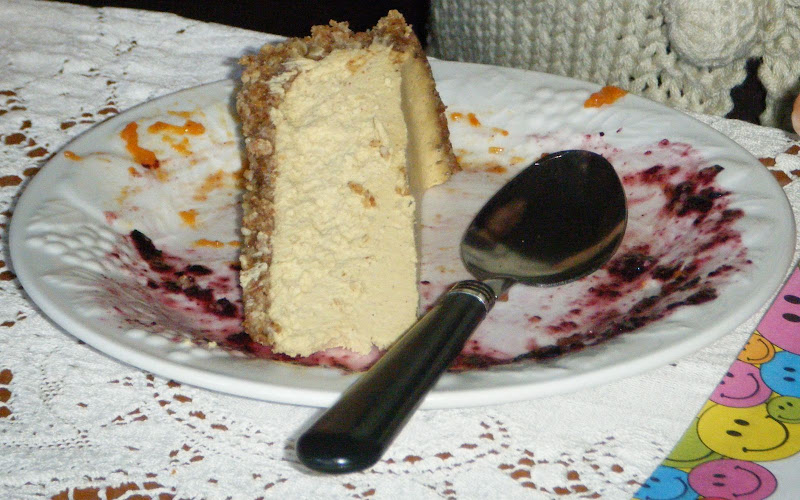
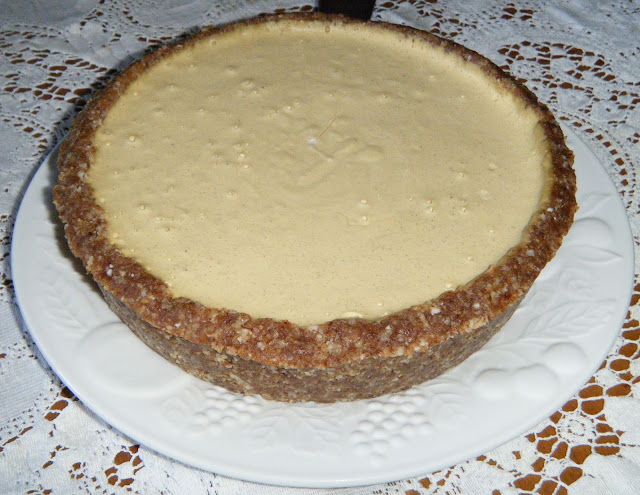
Raw Pumpkin "Cheesecake" Pie
While having many different thought-provoking conversations we happily devoured:
  • Pomegranate salad lightly sweetened with fresh-squeezed orange juice.
  • "Eggnog" made from almond milk and banana.
  • Creamy Sweet Garlic Dressing which I enjoyed both over seed chips and over the Pomegranate salad.
  • Red Pepper Soup and Broccoli soup. My husband enjoyed these best mixed with added fresh parsley and cilantro.
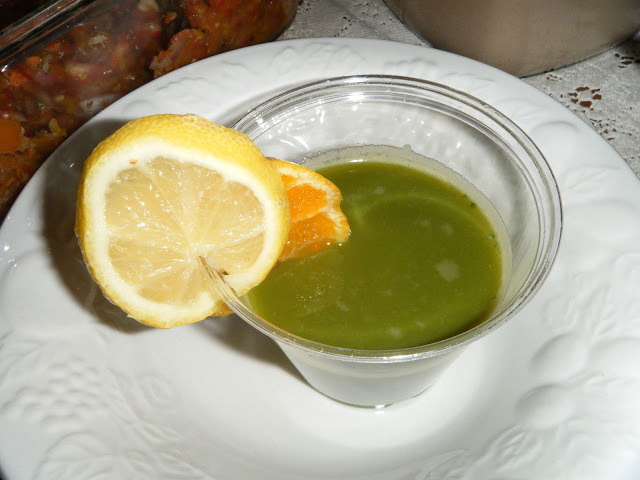
  • Sweet "Green Drink" made up of many vegetables including broccoli and many fruits including pears.
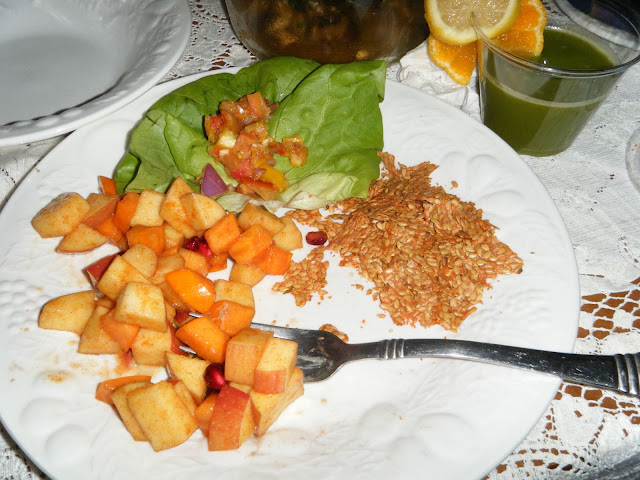
  • Cinnamon Fruit Salad made up of persimmons, apples, other fruit and much cinnamon.
  • A spicy salsa that my husband and I made served with butter-leaf lettuce.
  • Autumn Curry with mushrooms and broccoli. This was a popular favorite among the table and the first dish to be entirely devoured.
  • A pâté made by the host including green onion, avocado, garlic and other deliciousness served with fresh lettuce.
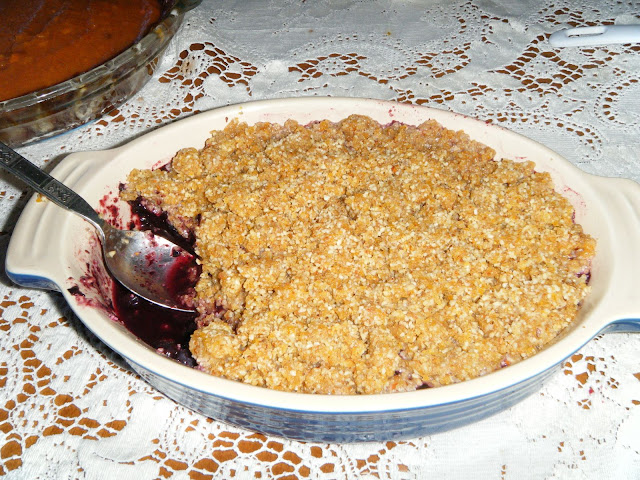
  • Blueberry Pandowdy, my personal favorite. Blueberries covered in a delicious simple crumble top.
  • Chocolate Mint Banana Pudding, which I brought. One of my favorites lately. Made with much fresh mint.
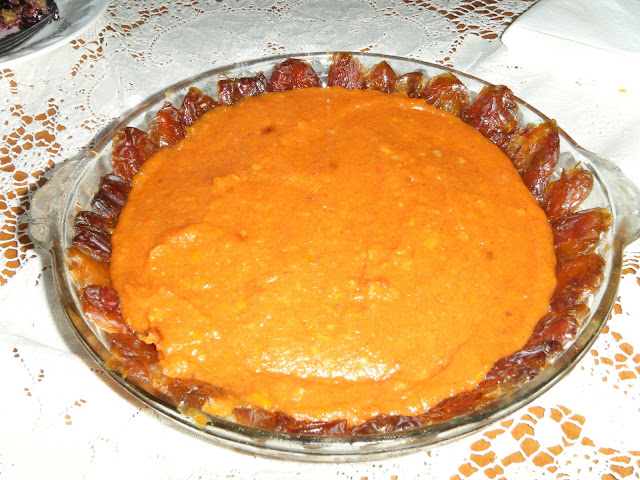
  • Pumpkin Date Pie, with no actual pumpkin included. It was made from persimmons.
  • Pumpkin "Cheesecake" Pie, made with a almond and date crust and a filling including cashews, pumpkin and spices.


Fruit salad, salsa on lettuce and seed chip pieces


Lettuce with pâté and tomato, and autumn curry


Blueberry Pandowdy


Pumpkin Date Pie


Pumpkin "Cheesecake" Pie
Thanks for stopping by my blog. Come again!
~ Raederle

[As of today -- November 22nd 2010 -- I've been 100% raw for 80 days! Still loving it.]

Return to: Raederle's Memoirs

Saturday, November 13, 2010

Mint Cantaloupe Smoothie | Raederle's Raw Recipe

A daring recipe for the young at heart.
  • 1 cup cantaloupe (roughly a quarter of a full sized cantaloupe) 
  • 1 large ripe banana (or two to three small bananas) 
  • 1 drop mint oil or 15-20 fresh mint leaves
  • 1 teaspoon dried thyme
  • ½ teaspoon vanilla powder (or 1 drop vanilla extract, unsweetened)
  • 1 pinch cinnamon
  • ½ cup water (give or take a little)
Directions & Notes:
Selecting Cantaloupe
When buying cantaloupe search for an unbruised melon that has a little give in the skin. Squeezing these melons takes some finger strength, but it should have a slight squish if you give it a good squeeze. If there is no give, then it is under-ripe. If it is squishy without much effort, it is very over ripe. It seems to be much more common to find them very under ripe and hard. Leave it on your table for a couple of days if you can only find them under-ripe.
Preparing Cantaloupe
Cut cantaloupe and half and scoop the seeds out of the part you are about to use. If you're saving a piece for later, leave the seeds in that piece to keep it fresher. When scraping out the seeds, try to leave as much as possible of the soft part of the cantaloupe that is next to the seeds. That part is very sweet and delicious. Put the seeds and rind in your compost when you're finished.
Compost
If you do not have a compost, but do have a yard or a garden, consider digging a few holes during a season where the ground is somewhat soft and disposing of seeds and rotten vegetables or fruit there. I do not recommend putting rinds or citrus peels in a hole in the ground because they take a very long time to decompose this way and build up fast.
Smoothie Making
Put your ingredients together in the blender and pulse until broken up, blend on low until it appears to be blended, blend on high for a short time, and then serve. Recipe serves one or two people. For a cold smoothie, use frozen bananas.
Flavor Adjustments
If the mint or thyme is overly strong for your taste, add more cantaloupe and banana and blend further. Or, if you're not a huge cantaloupe fan, consider using two bananas per one cup of cantaloupe. For some, adding a pinch of salt will greatly improve the flavor.
Thanks for reading.
Namaste
~ Raederle Phoenix

Saturday, October 16, 2010

October 2010: 1 Month 100% Raw | Blog Entry

October 16th 2010

Are you hesitant about a raw diet because you're under the delusion that a raw diet is nothing but salad, salad, and more salad? Think again! Not only are there many desserts, smoothies, and even raw sandwiches (using lettuce or nori in place of bread), there is also raw granola!
The possibilities are endless. Lately I've been eating raw ice-cream with buckwheat granola and hazel-nut milk. It absolutely delicious, especially with fresh slices of bananas and strawberries. Strawberries really "soak up" the nut milk.
Another fun snack discovery: dried mulberries. I recently decided to try buying the mulberries located in the 'raw section' of Whole Foods and was pleasantly surprised by a flavor easily describes as "honey covered raisins." They are soft, chewy, and delicious. They've found their way into every bowl of granola I've had since initially trying them.
Besides learning new dishes, I've been learning new ways to eat foods, and new foods to eat.
For example, most people peal kiwis before they eat them. This is understandable if you don't generally wash your fruit. I discovered not too long after I met my husband (Lytenian) the importance of washing fruit, and noticed that when washing kiwis takes the fur off.
To remove kiwi fur: Use a scrubbing produce brush. This can be any brush made from naturally substances with bristles designed to scrub. Use this brush only for washing your raw produce. Scrub the kiwi with this brush with out without produce wash.
Produce wash consists of natural citric juices that cleanse away germs, disease, mold and dirt. When you scrub all the surface area of the kiwi three or four times the skin becomes smooth, nearly like apple skins.
It makes eating kiwis far less of a chore to not have to skin them!
I'm still on the fence about whether or not it's better to be 100% raw, or to make a few small exceptions for healthy things that can not be consumed raw. For now, I'm staying 100% raw.
~ Raederle Phoenix

[Currently I've been 100% raw for 44 days now!]

Return to: Raederle's Memoirs

Popular Posts This Month

Featured Post

Your Identity = Your Boundaries

  Your identity is the sum of your boundaries: the things to which you say “Yes,” and the things which you say “No.” What is your favorite f...